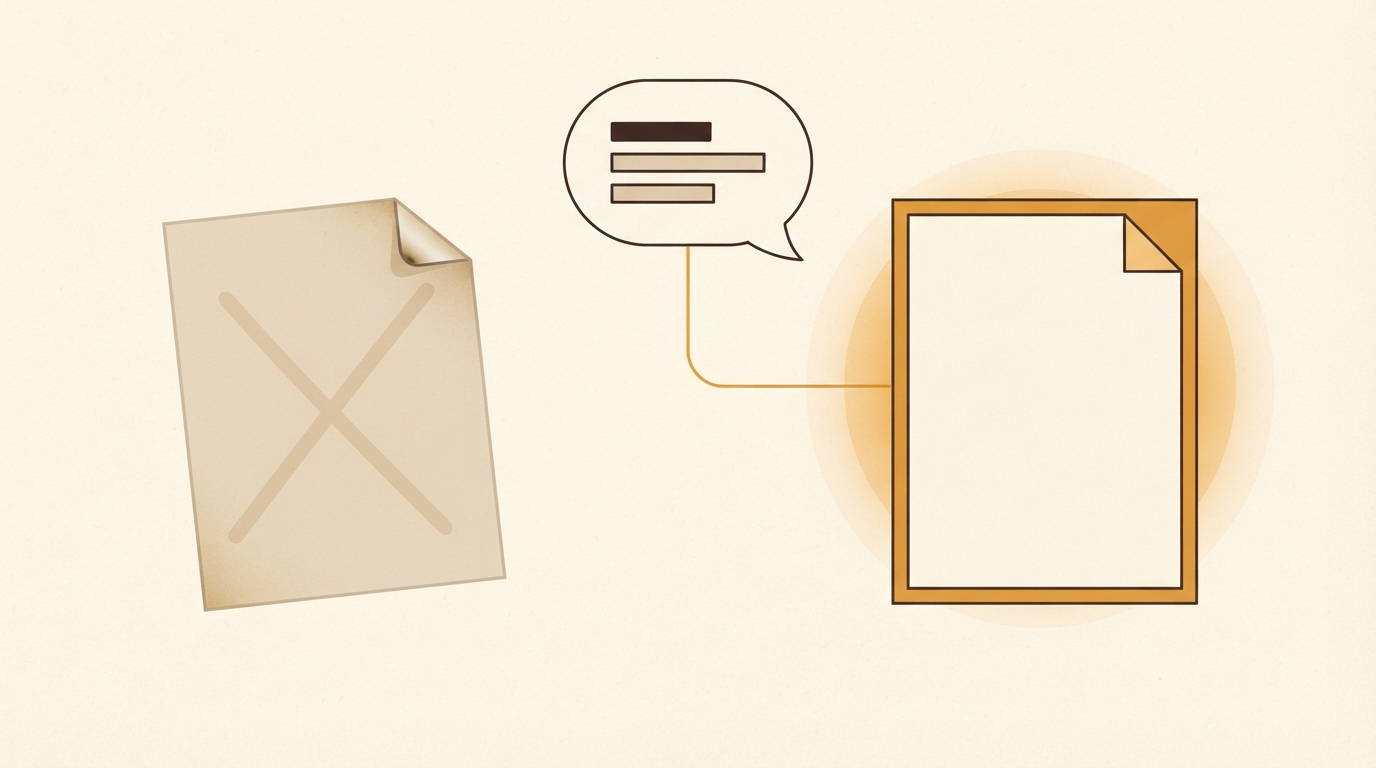
Ask an AI what tax credit you can get for a heat pump. There is a good chance you will be told about a federal credit worth up to $2,000, covering 30% of the project.
That was true. It is not true for equipment installed in 2026.
The Section 25C Energy Efficient Home Improvement Credit, along with 25D for residential clean energy, expired on 31 December 2025, terminated years ahead of its Inflation Reduction Act schedule by the One Big Beautiful Bill Act signed in July 2025. Equipment installed from 1 January 2026 does not qualify. Systems placed in service on or before 31 December 2025 can still be claimed on the 2025 return.
Meanwhile the web is still carpeted with pages promising homeowners $2,000 back. Manufacturer landing pages, contractor blogs, calculator tools, and years of accumulated articles all say the same obsolete thing, and models trained and grounded on that corpus repeat it.
That gap is the opportunity. Not a compliance footnote. The single clearest route to being cited that HVAC has right now.
Why being right when the corpus is wrong works so well

Answer engines have a structural weakness: they are built from what has already been written. When the world changes faster than the corpus, they confidently repeat the old answer, until enough current, well-structured, credible sources exist to outweigh it.
For a short window after any rule change, the field of genuinely accurate pages is nearly empty. Being in that small field is dramatically easier than out-competing ten thousand pages on "best HVAC company near me".
This generalises well beyond tax credits. Refrigerant transitions, efficiency standards, permit rules, utility programme changes, every regulatory shift in your trade opens the same window. The contractor who publishes the accurate, dated, clearly-sourced explanation first becomes the reference everyone else eventually cites.
Three things make such a page work:
- Date it explicitly and say what changed. "As of 1 January 2026" is the phrase that lets a model distinguish your page from the stale ones.
- State the old position and the new one. Pages that correct a specific widespread error are unusually quotable, because the correction is the answer.
- Link the primary source. IRS guidance, ENERGY STAR, the statute. This is what separates reference material from marketing.
Necessary caveat, and put it on your page too: this is a description of a publicised change, not tax advice. Rules move, and homeowners should confirm their own position with a tax professional. Saying so does not weaken the page, it is exactly the hedging a careful source uses.
What replaced it is local, which favours you

The federal credit was uniform nationally, which meant a national page could answer the question as well as you could.
What remains is not uniform. State energy offices, utility rebate programmes, and the IRA-funded HOMES and HEAR programmes vary by state, by utility, and by household income, and their rollout schedules differ too. There is no single correct national answer any more.
This is the best possible development for a local contractor. A national aggregator cannot maintain accurate rebate detail for every utility territory in the country. You only have to be right about yours.
Build the page nobody else will: every rebate available in your service area, which utility administers it, the amounts, the eligibility rules, whether it is point-of-sale or reimbursement, and what paperwork you handle on the customer's behalf. Date it, and put a review reminder in your calendar.
That page is difficult to copy, genuinely useful, and precisely the kind of specific local fact an answer engine has nowhere else to source.
The rest of the HVAC question set
Rebates are the wedge. The recurring questions are where the volume lives, and they are mostly comparisons and costs:
- "heat pump vs furnace", now a much more interesting question without the federal credit tilting the maths. Show the real running-cost comparison for your climate zone and your local energy prices.
- "how much does a new AC unit cost", cost-plus-location, the most reliably AI-answered query shape there is. Publish ranges by system type and home size for your metro.
- "why is my AC not cooling", the diagnostic query that precedes the service call. Answer it honestly, including the cases where they do not need you.
- "when should I replace instead of repair", give an actual rule of thumb with numbers, not "it depends".
- "is an HVAC maintenance plan worth it", a question customers ask AI precisely because they suspect the contractor's answer is self-serving. Answer it fairly and you win the trust the question was testing for.
Shoulder season is the window
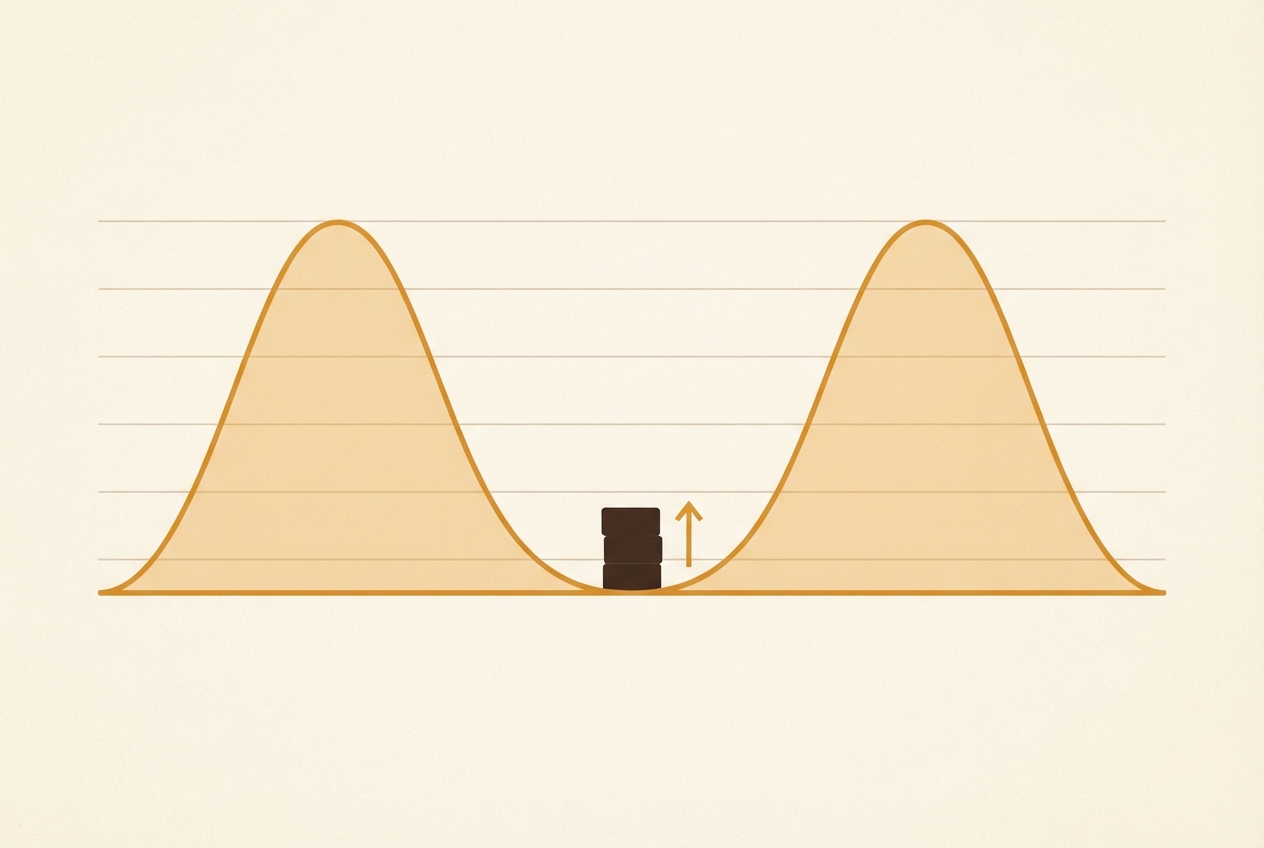
HVAC demand has two peaks (the first heatwave, the first hard freeze) and the work of being visible cannot be done during either. When a heatwave lands and your phones are ringing off the hook, the answer engine is composing responses from pages it crawled and trusted weeks ago.
Spring and autumn are not slow periods. They are when next season's answers get written. A cost page published in October is ready for January; the same page published in January is not ready for anything.
FAQ
Is there still a federal tax credit for a heat pump in 2026?
No. The Section 25C Energy Efficient Home Improvement Credit and the Section 25D Residential Clean Energy Credit both expired on 31 December 2025, ended early by the One Big Beautiful Bill Act signed in July 2025. Equipment installed from 1 January 2026 does not qualify, though systems placed in service on or before 31 December 2025 can still be claimed on the 2025 return. Homeowners should confirm their own situation with a tax professional.
What incentives are left for HVAC upgrades?
State energy office programmes, utility rebates, and the IRA-funded HOMES and HEAR programmes, which vary by state, utility territory, and household income. Because none of it is uniform nationally any more, a local contractor who documents the programmes in their own service area holds information no national site can match.
Why does ChatGPT still tell people about the $2,000 credit?
Because answer engines are built from existing published material, and the web still contains an enormous volume of pages describing the credit as current. Until enough accurate, clearly dated sources exist, the old answer keeps winning on sheer weight, which is exactly why publishing a correct, dated, primary-source linked page now is unusually effective.
When should an HVAC company do visibility work?
In the shoulder seasons. Answers during a heatwave or cold snap are assembled from pages already crawled and trusted, so content published during the rush arrives too late for that rush. Spring and autumn are when the next peak's answers get written.
Should I publish HVAC replacement prices?
Yes. Cost-plus-location questions are the most reliably AI-answered query shape, so your customer will be given a number regardless of whether it comes from you. Ranges by system type and home size for your specific metro will be quoted; "call for a free estimate" will not.
How do I know whether AI is recommending my company?
Take the ten questions a homeowner asks before replacing a system, rebates, cost, heat pump versus furnace, when to replace, run them through ChatGPT, Google, and Perplexity with your city named, and record who is mentioned. Answers are generated fresh each time, so a single check is noise; the rate across repeated samples over time is the signal.
The short version
The federal credit is gone, the internet has not noticed, and the replacement incentives are local rather than national. That combination hands local HVAC contractors the two things that earn citations: a widespread error worth correcting, and a set of facts no national competitor can maintain.
Publish the correction, dated and sourced. Publish your service area's actual rebate landscape. Then do the cost and comparison pages, in the shoulder season, while there is still time for them to matter.
Kaymak tracks what the engines actually say when homeowners ask, including which competitors get named. The live demo is free to explore, no signup. See also AEO for plumbers and AEO for roofers.
Sources: ENERGY STAR, Federal tax credits for energy efficiency · IRS, Energy Efficient Home Improvement Credit · Rewiring America, 25C heat pump tax credits · Alliance to Save Energy, What the new IRS guidance means