
The honest answer is the one nobody selling reputation services leads with: most bad reviews cannot be removed, and the majority of removal attempts fail.
Worth knowing before you start, because the instinct most owners reach for first, leaning on the reviewer to take it down, is now a federal violation carrying penalties of up to $53,088 per violation.
So here is the realistic version.
What Google will actually remove
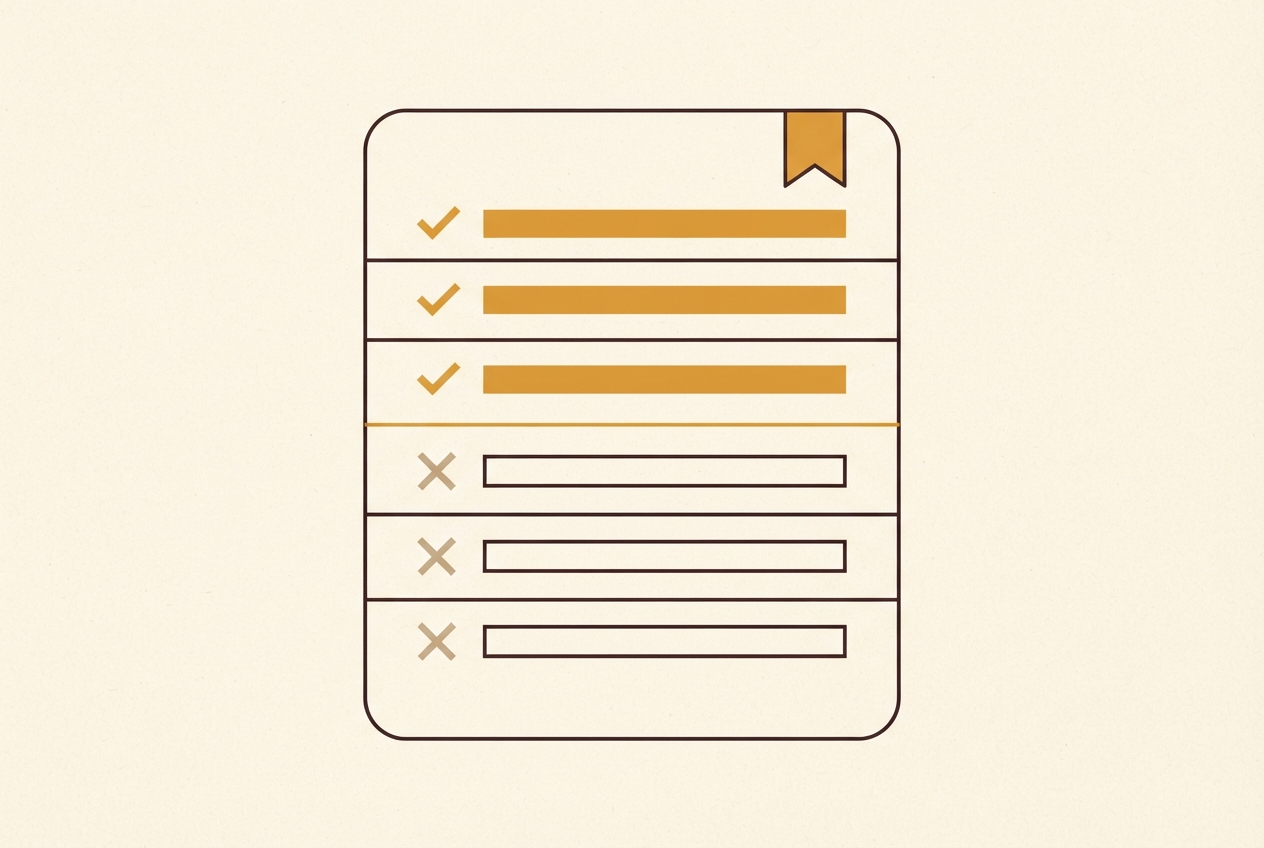
Google removes reviews that violate its content policies. Not reviews that are unfair, or wrong, or written by somebody having a bad day.
Grounds that work:
- Spam and fake content. Posted repeatedly, posted by an account with an obvious pattern, or clearly not based on a real experience.
- Off-topic. A rant about politics, or about a different business entirely.
- Conflict of interest. Reviews from competitors, from former employees about their employment, or self-reviews.
- Personal information. Naming a staff member's home address, phone number, or in healthcare disclosing anyone's medical details.
- Harassment, hate speech, obscenity, threats.
- Illegal content or promotion of illegal activity.
Grounds that do not work:
- "It is unfair."
- "They exaggerated."
- "They were never a customer." This one feels strong and rarely succeeds, because you cannot easily prove a negative, and reviews from people who interacted with your business without buying are generally permitted.
- "It is damaging our rating."
Look carefully before flagging. Plenty of reviews that feel outrageous contain a genuine policy violation somewhere in them, most often a named employee or an accusation that crosses into harassment. That detail is your case.
The process, in order
- Flag it in your Google Business Profile. Find the review, use the three-dot menu, report it, and pick the closest policy category. Choosing the right category matters more than the explanation.
- Wait a few days. Automated review first.
- Escalate through Business Profile support if flagging fails. There is a human path. Be brief and cite the specific policy the review breaks, not how the review makes you feel.
- Use the redressal form for cases involving clear policy violations that support has not acted on.
- Accept it and move on if none of that works, which is the common outcome.
Do not flag the same review repeatedly. It does not increase your chances and it consumes the goodwill you may need for a genuine case later.
Do not lean on the reviewer
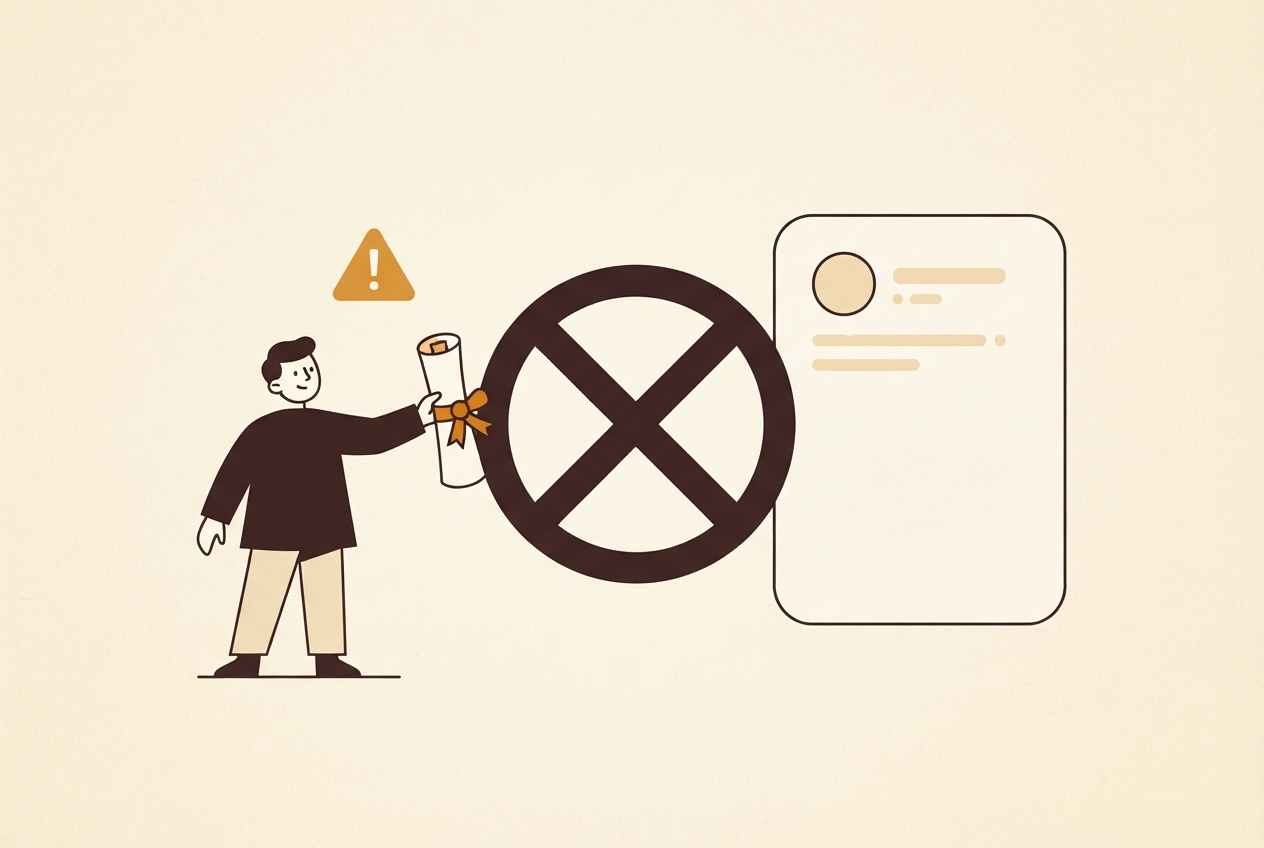
This is the part that changed, and many owners have not caught up.
Since 21 October 2024, the FTC's Consumer Reviews and Testimonials Rule prohibits using unfounded or groundless legal threats, physical threats, intimidation or certain false public accusations to prevent a review being posted or to get one removed. Intimidation is not confined to physical threats: abusive communications and character assassination can qualify.
So the lawyerly letter to an unhappy customer, the one a lot of firms send as a matter of course, is now a serious risk unless there is a genuine legal basis behind it. You may still bring or threaten legal action where you actually have grounds, for example a demonstrably false statement of fact that meets your jurisdiction's defamation standard. You may not use a threat you know to be hollow as a removal tactic.
There is a practical argument alongside the legal one. Pressuring a reviewer is how a one-star review becomes a screenshot, a second review, and a local news story. The Streisand effect predates the rule.
What to do with the ones that stay
Most of them will stay, and this is where the actual return is.
Reply, publicly, once, well. A measured reply beneath a hostile review does more for you than removal would, because it is read by everyone who arrives afterwards. Removal leaves nothing. A good reply leaves evidence of how you handle problems.
The shape that works: thank them, do not relitigate, state briefly what you would normally do, and move it offline with a name and a direct contact. No defensiveness, no detail, no sarcasm.
Keep it short. Long replies read as guilty. Two or three sentences.
Never disclose anything about them. In healthcare this is a HIPAA obligation and confirming that someone was a patient is itself a disclosure. In every other field it is simply the difference between looking professional and looking unhinged.
Then bury it with volume. One bad review among nine is a rounding error. One among four is a pattern. The most effective response to a bad review has always been a steady flow of genuine ones, which is a separate discipline with its own rules.
And check whether they had a point. If three reviews name the same problem, the reviews are not the problem.
FAQ
Can I delete a Google review?
You cannot delete a review left by someone else. You can report it, and Google removes it only if it breaches a content policy such as spam, off-topic content, conflict of interest, personal information or harassment. Reviews that are merely unfair or inaccurate are not removed.
How do I report a fake Google review?
Flag it from the review in your Business Profile using the three-dot menu, and select the policy category it actually violates rather than describing your frustration. If flagging fails, escalate through Business Profile support and cite the specific policy breached. Repeat flagging of the same review does not help.
Can I sue someone for a bad review?
Only where there is a genuine legal basis, such as a false statement of fact meeting your jurisdiction's defamation standard. Since October 2024, using unfounded or groundless legal threats to get a review removed is itself prohibited under the FTC's rule, with civil penalties up to $53,088 per violation. A hollow threat sent as a removal tactic is now a bigger risk than the review.
Should I respond to negative reviews?
Yes, briefly and once. The reply is read by every prospective customer who arrives later, which is a larger audience than the reviewer, and it demonstrates how you handle problems. Thank them, avoid relitigating the facts, and move the conversation offline with a name and direct contact.
How long does it take Google to remove a review?
Flagged reviews are usually assessed automatically within a few days. Escalation through support takes longer and outcomes are inconsistent. Most reported reviews are not removed, so plan on the assumption it will stay.
What is the best defence against bad reviews?
Volume of genuine ones. A single poor review among a large, steady flow barely registers, while the same review among a handful reads as representative. Steady review collection is more effective than any removal effort, and if several reviews name the same issue, the fastest fix is the issue.
The short version
Google removes reviews that break its policies, not reviews that are unfair. Read the bad one carefully for an actual violation, flag it under the right category, escalate once, and then let it go.
Do not lean on the reviewer. Since October 2024 a groundless legal threat aimed at removing a review is a federal violation with real penalties, and it was always the fastest way to turn one unhappy customer into a public story.
Reply once, briefly, in a way that impresses the person reading it next month. Then get on with collecting enough genuine reviews that this one stops mattering.
Kaymak tracks where those reviews end up counting most: whether ChatGPT, Google AI Overviews and Perplexity name your business when someone asks for a recommendation. The live demo is free, no signup.
Sources: FTC, Consumer Reviews and Testimonials Rule questions and answers · FTC, final rule banning fake reviews and testimonials · Alston & Bird, FTC issues final rule on fake reviews
General information about a US federal rule and a platform policy, not legal advice. Defamation standards vary by jurisdiction and penalty figures adjust annually.